
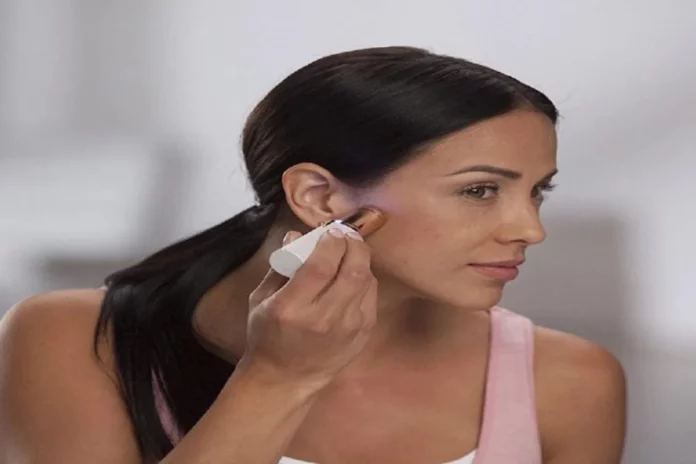
Facial hair removal has been a popular beauty and grooming practice for centuries. While it was traditionally associated more with women, men also use different facial hair removal techniques to maintain their preferred appearance. Both men and women can choose from several methods depending on their skin type, hair thickness and personal preferences.
Facial hair differs from person to person. Men’s facial hair is often thicker and denser, particularly around the beard and moustache areas. Therefore, selecting an appropriate hair removal method is important for achieving comfortable results while reducing the risk of skin irritation.
There are several options available, including waxing, threading, shaving, laser treatments and depilatory creams. You can also explore different hair removal methods to understand how these techniques work and which options may suit your grooming needs.
Table of Contents
Female Facial Hair Removal Techniques
Women can choose from several facial hair removal methods depending on the area they want to treat and how long they want the results to last.
- Laser hair removal: Laser treatment is a popular option for reducing unwanted facial hair over time. It works by targeting hair follicles and usually requires multiple sessions. It tends to work best on darker hair and may be less effective on very light, grey or white hair.
- Photoepilation: This technique uses intense pulsed light (IPL) to target hair follicles and reduce hair growth. It is another option for people looking for longer-term hair reduction. However, suitability depends on skin tone, hair colour and the device used.
- Electrolysis: Electrolysis is a method of hair removal that uses an electrical current to treat individual hair follicles. It can be suitable for removing hair from small facial areas and works across different hair colours. However, treatment can take time because each follicle is treated individually.
- Waxing and sugaring: Waxing and natural sugar paste remove hair from the roots. These methods are commonly used for areas such as the upper lip and chin. Results generally last a few weeks, depending on individual hair growth.
- Threading: Threading is another popular facial hair removal technique, particularly for shaping eyebrows and removing unwanted upper-lip hair. It uses a twisted thread to remove individual hairs without applying chemical products to the skin.
Each method has its own advantages and limitations. People with sensitive skin should consider their skin condition before choosing a treatment and seek professional advice when necessary.
Male Facial Hair Removal Techniques
Men also have several options for removing or managing unwanted facial hair. Since male facial hair is often thicker and denser, choosing the right grooming technique can help minimise discomfort and irritation.
- Shaving: Shaving is one of the most common facial grooming methods for men. It uses a razor or electric shaver to remove hair at the skin’s surface. Contrary to a common misconception, shaving does not increase hair thickness, density or growth rate.
- Depilatory creams: Some men use facial hair removal creams to remove unwanted hair without shaving. However, only products specifically formulated for facial use should be considered, and the manufacturer’s instructions should be followed carefully.
- Tweezing: Tweezers can be useful for removing individual unwanted hairs from small areas, such as around the eyebrows or ears. This method is generally better suited to removing a few hairs rather than treating large areas.
- Trimming: Men who prefer to maintain some facial hair can use an electric trimmer or grooming scissors to manage their beard, moustache and other facial hair.
- Laser hair removal: Men who want longer-term hair reduction may consider professional laser treatments. Multiple sessions are generally required, and results depend on hair colour, skin tone and individual response to treatment.
How to Wax Your Face Safely
Facial skin can be sensitive, so it is important to take proper precautions before and after waxing. Following a suitable skincare routine can help reduce irritation and make the experience more comfortable.
Consider these important tips:
- Avoid using tweezers under the assumption that they will make hair thicker. Tweezing does not increase hair thickness or density.
- Never use laser hair removal near the eyes, including the eyebrows and eyelashes, unless a qualified professional confirms that the specific treatment is safe for the intended area. Laser devices should never be directed towards the eyes.
- If you have active acne, irritated skin or a history of skin sensitivity, consult a dermatologist before choosing waxing or light-based hair removal.
- Check with a pharmacist or dermatologist before applying skincare products after waxing, particularly if they contain active ingredients that may irritate the skin.
- Follow the instructions for any home hair removal device carefully. Professional electrolysis and at-home hair removal devices are not necessarily equivalent.
Ways to Help Prevent Post-Waxing Pimples
Small bumps and temporary redness can sometimes appear after facial waxing. Proper skincare before and after the procedure may help minimise irritation.
- Cleanse your skin: Gently wash your face before waxing to remove dirt, oil and makeup. Use clean tools and applicators to maintain hygiene.
- Avoid immediate exfoliation: Do not exfoliate immediately after waxing because the skin may already be sensitive. Wait until irritation has settled before introducing gentle exfoliation.
- Apply a soothing moisturiser: A fragrance-free moisturiser or suitable aloe vera product may help soothe and hydrate the skin.
- Avoid harsh skincare products: Stay away from strong exfoliating acids, retinoids and fragranced products immediately after waxing, as they may increase irritation.
- Protect your skin: Avoid excessive sun exposure and use suitable sun protection after waxing.
- Maintain a gentle routine: Cleanse and moisturise your face regularly without scrubbing or repeatedly touching the treated area.
Conclusion
Facial hair removal offers several options for both men and women, including shaving, waxing, threading, electrolysis and laser treatments. The best choice depends on hair thickness, skin sensitivity, the treatment area and personal grooming preferences. By selecting an appropriate method and following proper skincare precautions, you can maintain a comfortable and effective facial grooming routine.